Preventive Maintenance: How Mobile Welding Extends Equipment Life

Turnweld Engineering • April 29, 2026

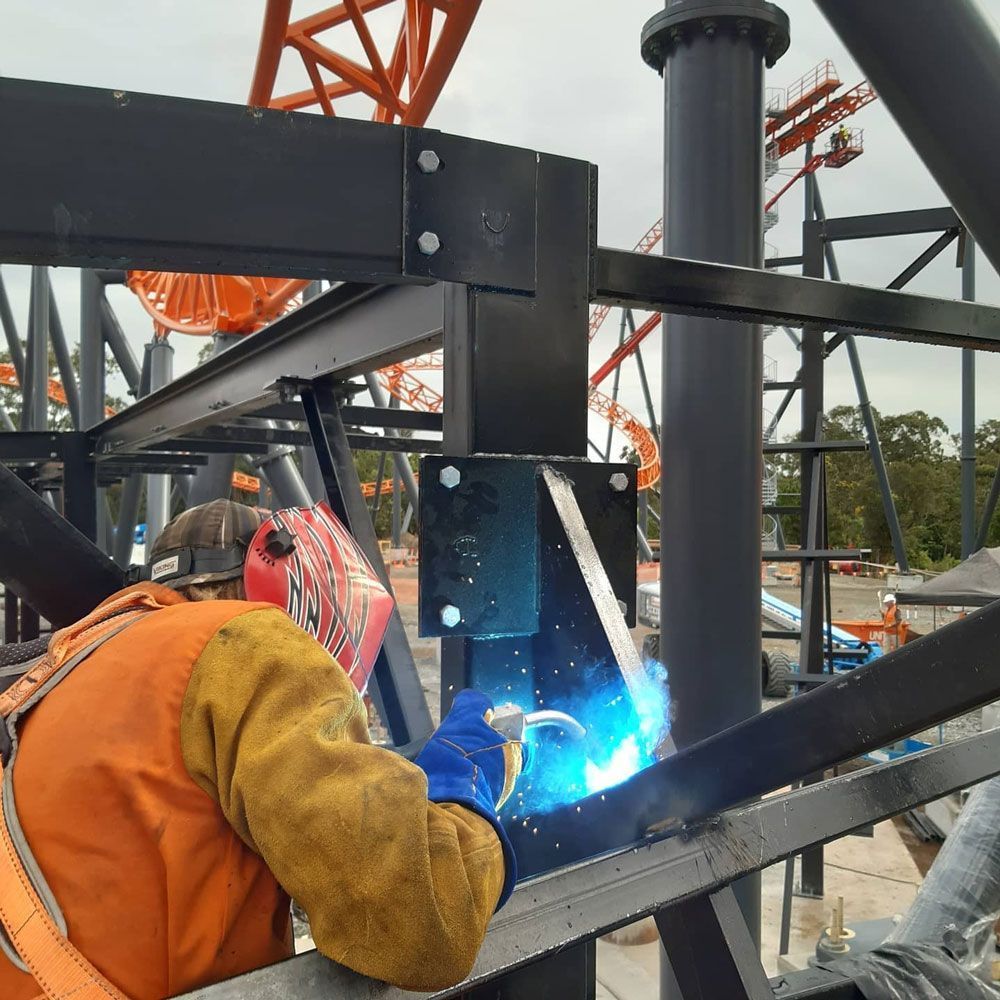
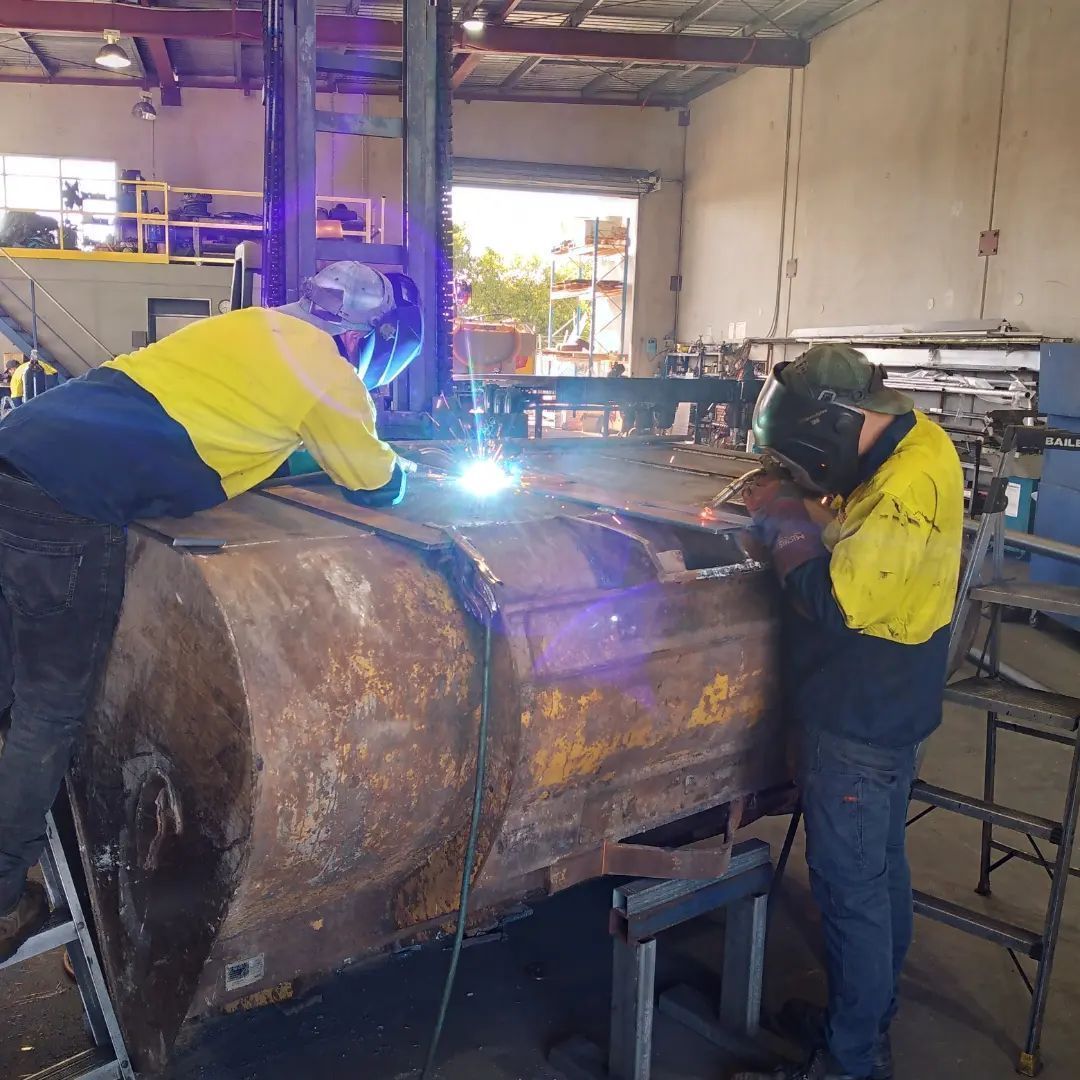
When a machine stops mid-shift, the cost is rarely limited to one cracked bracket or fractured weld. Production slows, schedules tighten and people start working around a problem that should have been caught earlier. Preventive maintenance changes that pattern by treating welding as part of equipment care, not just an emergency response. For fleet operators, manufacturers and workshop managers, Mobile Welding on the Sunshine Coast can help keep essential assets stronger, safer and more dependable through routine inspections, on-the-spot repairs and practical reinforcement before minor wear becomes major damage.


Preventive welding is not about over-servicing equipment. It is about knowing where stress collects, how metal fatigue develops and when a repair can extend service life without disrupting the whole operation. From transport equipment and machinery frames to workshop fixtures and structural components, a planned approach helps teams reduce downtime, avoid premature replacement and keep work moving with fewer unexpected interruptions.

Small Cracks Often Tell A Larger Story

A hairline crack can look harmless during a busy day, especially when the equipment still runs. Yet cracks often begin around high-stress points such as mounts, joints, brackets and load-bearing edges. Left unchecked, vibration and repeated use can widen the damage until the part fails under pressure. Mobile welding supports preventive maintenance by allowing these weak points to be assessed where the equipment sits, reducing the need to move heavy assets off site.


These early signs deserve attention during routine checks:


  • Fine cracks near welds
  • Distortion around brackets
  • Rust around joints
  • Loose mounts or guards
  • Unusual vibration points


A timely weld repair can restore strength, prevent further tearing and keep the damage from spreading into surrounding steel. For workshop managers, that means fewer rushed decisions and less pressure to replace parts that could have been repaired safely and effectively.

Routine Inspections Keep Equipment Working Longer

Preventive maintenance starts with observation. Regular inspections help identify metal fatigue, worn welds, impact damage and corrosion before the fault becomes disruptive. A mobile welding team can inspect machinery, trailers, plant, frames and workshop equipment in context, which is valuable because some issues only become obvious when the asset is loaded, positioned or used in its normal environment.


A practical inspection process may include these checks:


  • Weld condition
  • Alignment and movement
  • Load-bearing sections
  • Corrosion around joins
  • Previous repair points


The benefit is not just finding damage. It is understanding why it happened. If a bracket has cracked twice, the issue may involve vibration, poor load distribution or a design weakness. Preventive welding can address the cause through reinforcement, modification or improved weld preparation, helping the repair last longer.

On-Site Repairs Reduce Disruption To Operations

Moving equipment to a workshop can be expensive, slow and sometimes impractical. Large machinery, fleet assets and fixed structures often need attention where they are used. Mobile welding brings the tools, equipment and trade knowledge to the site, allowing repairs to be completed with less handling, transport and operational delay.


On-site welding is especially useful for these situations:


For fleet operators, the difference can be significant. A vehicle or trailer that needs a small repair can often be returned to service faster than one waiting for transport, workshop availability and return delivery. For manufacturers, it can help avoid extended interruptions around production areas, loading zones or maintenance bays.

Reinforcement Can Delay Premature Replacement

Not every worn component needs to be replaced straight away. In many cases, reinforcement can extend usable life while maintaining safety and function. This is particularly useful for equipment that experiences repeated loading, vibration or impact. A welder may be able to add strengthening plates, repair worn edges, rebuild damaged sections or improve support around a known stress point.


Reinforcement work can support equipment life in several ways:


  • Strengthening worn sections
  • Supporting high-stress joins
  • Repairing impact damage
  • Improving load distribution
  • Reducing repeat cracking


The key is judgement. Preventive welding should never disguise unsafe equipment or postpone a necessary replacement. Instead, it gives operators a practical repair pathway when the base structure is still sound and the issue can be addressed properly. That balance helps businesses control costs without compromising reliability.

Downtime Costs More Than The Repair Itself

A breakdown rarely affects one person or one machine. It can stop deliveries, delay production, interrupt site work and force managers to reshuffle staff or equipment. The welding repair may be straightforward, but the downtime around it can become expensive. Preventive maintenance reduces that risk by scheduling inspections and repairs before faults create urgent stoppages.


Hidden downtime costs often include these impacts:


  • Missed delivery windows
  • Idle operators
  • Delayed production runs
  • Emergency repair fees
  • Short-notice equipment hire


For manufacturers, a damaged guard, frame or production support can slow output even if the main machinery still works. For fleet operators, one trailer out of service can affect route planning. For workshop managers, a small repair backlog can quickly become a scheduling problem. Preventive welding helps turn reactive maintenance into planned maintenance.

Material Knowledge Matters In Lasting Repairs

A weld is only as reliable as the preparation, technique and material choice behind it. Steel, aluminium and stainless steel all behave differently under heat and stress, so repair work needs the right process for the job. The type of equipment, its use, its load exposure and its operating environment all influence the repair method.


Good welding decisions depend on several factors:


  • Metal type
  • Thickness and access
  • Load requirements
  • Existing weld quality
  • Heat-sensitive areas


This is where experienced mobile welding becomes valuable. The repair is not just about closing a crack. It may involve grinding out damaged material, preparing the joint, matching the welding process and checking the finished repair for strength and suitability. Done properly, the work helps the component return to service with confidence.

Maintenance Records Make Future Repairs Smarter

Preventive maintenance becomes more effective when repairs and inspections are recorded. A simple history of welding work can reveal patterns across a fleet, production line or workshop. If similar cracks appear on multiple assets, the issue may point to a design weakness, loading habit or recurring wear point.


Useful maintenance notes may capture these details:


  • Date of inspection
  • Location of damage
  • Type of repair
  • Materials used
  • Follow-up recommendations


These records help managers plan budgets, schedule servicing and decide when replacement is more sensible than ongoing repair. They also support communication between operators, maintenance staff and welders. Instead of treating each fault as an isolated problem, the team can build a clearer picture of equipment condition over time.

Planned Welding Supports Safer Workplaces

Equipment life is important, but safety matters just as much. Cracked welds, weakened frames, loose guards and damaged platforms can create hazards for operators and nearby workers. Preventive mobile welding helps reduce these risks by addressing structural and mechanical weaknesses before they become dangerous.


Safety-focused welding maintenance can involve these areas:


  • Guard and barrier repairs
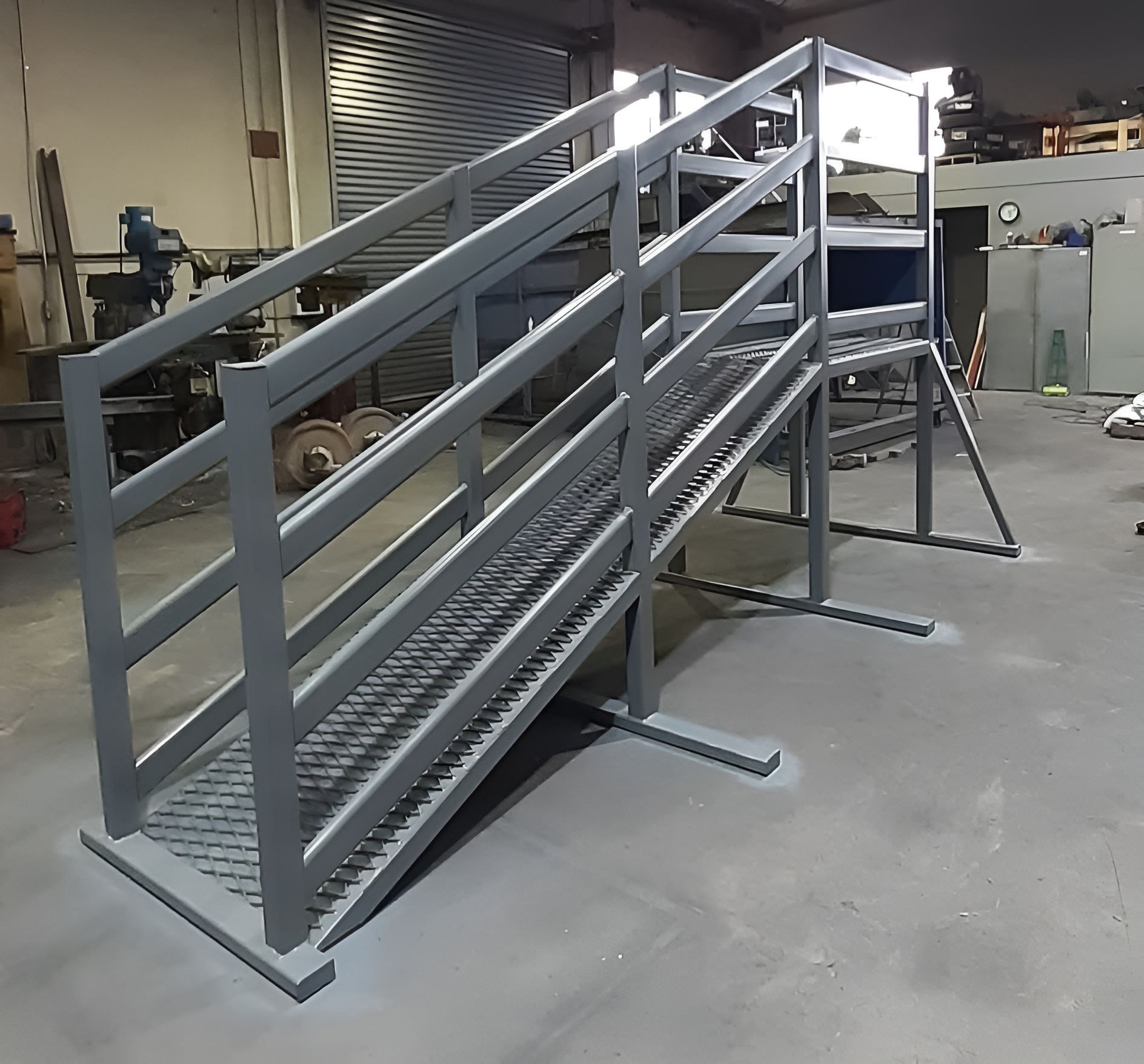
  • Access platform fixes
  • Handrail reinforcement
  • Machinery mount repairs
  • Structural support checks


For workshop managers, this is part of keeping the work environment controlled and predictable. For fleet operators, it can support safer loading, towing and transport. For manufacturers, it helps protect staff working around machinery, storage systems and production equipment. Preventive welding is not just a cost-control measure; it is part of responsible asset management.

Keep Your Equipment Working With Practical Welding Support

We at Turnweld Engineering provide mobile welding services for businesses that need practical support across the Sunshine Coast, including routine inspections, on-site repairs and preventive welding that helps reduce costly downtime. Whether you manage fleet equipment, workshop assets or machinery used in demanding conditions, our team can help assess wear, repair damage and strengthen components before small issues become expensive problems.


Contact us to discuss your equipment, call to arrange a service or book mobile welding support for your next maintenance window.

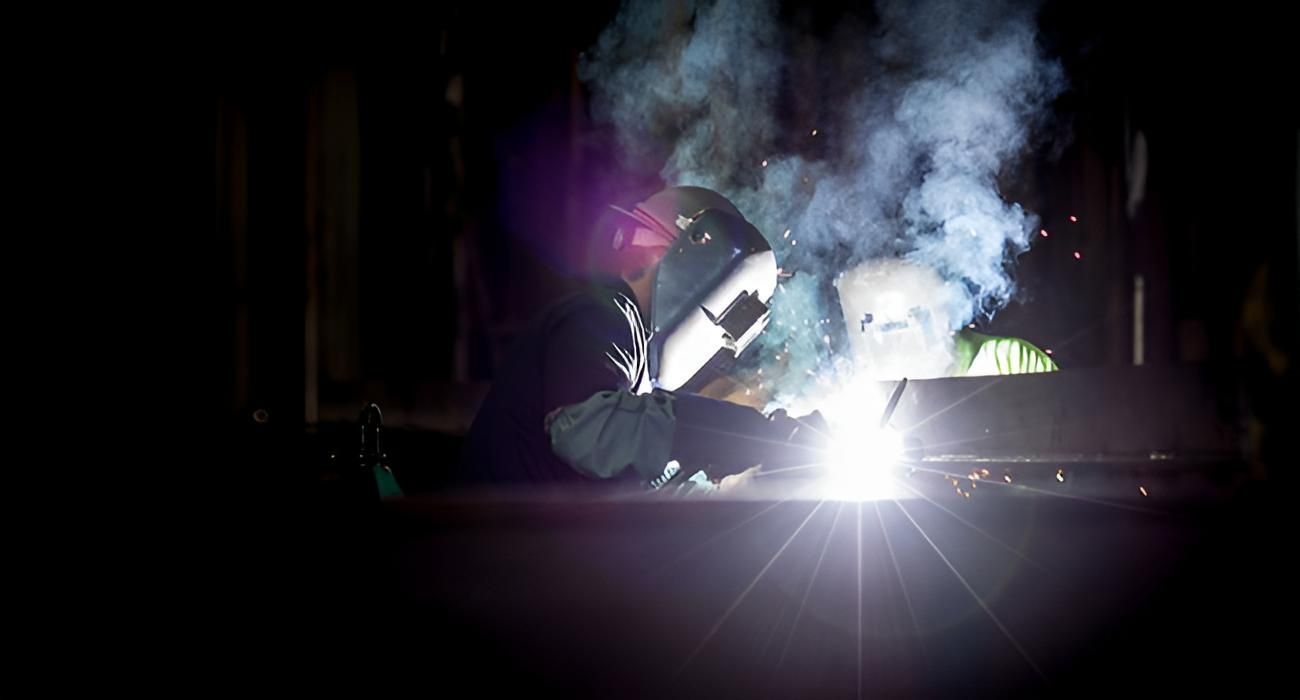
Welder using protective gear welding metal with sparks and smoke in a dark industrial setting.
By Turnweld Engineering March 23, 2026
Learn how mobile welding supports farm equipment maintenance with on-site repairs, reduced downtime and reliable solutions for agricultural machinery.
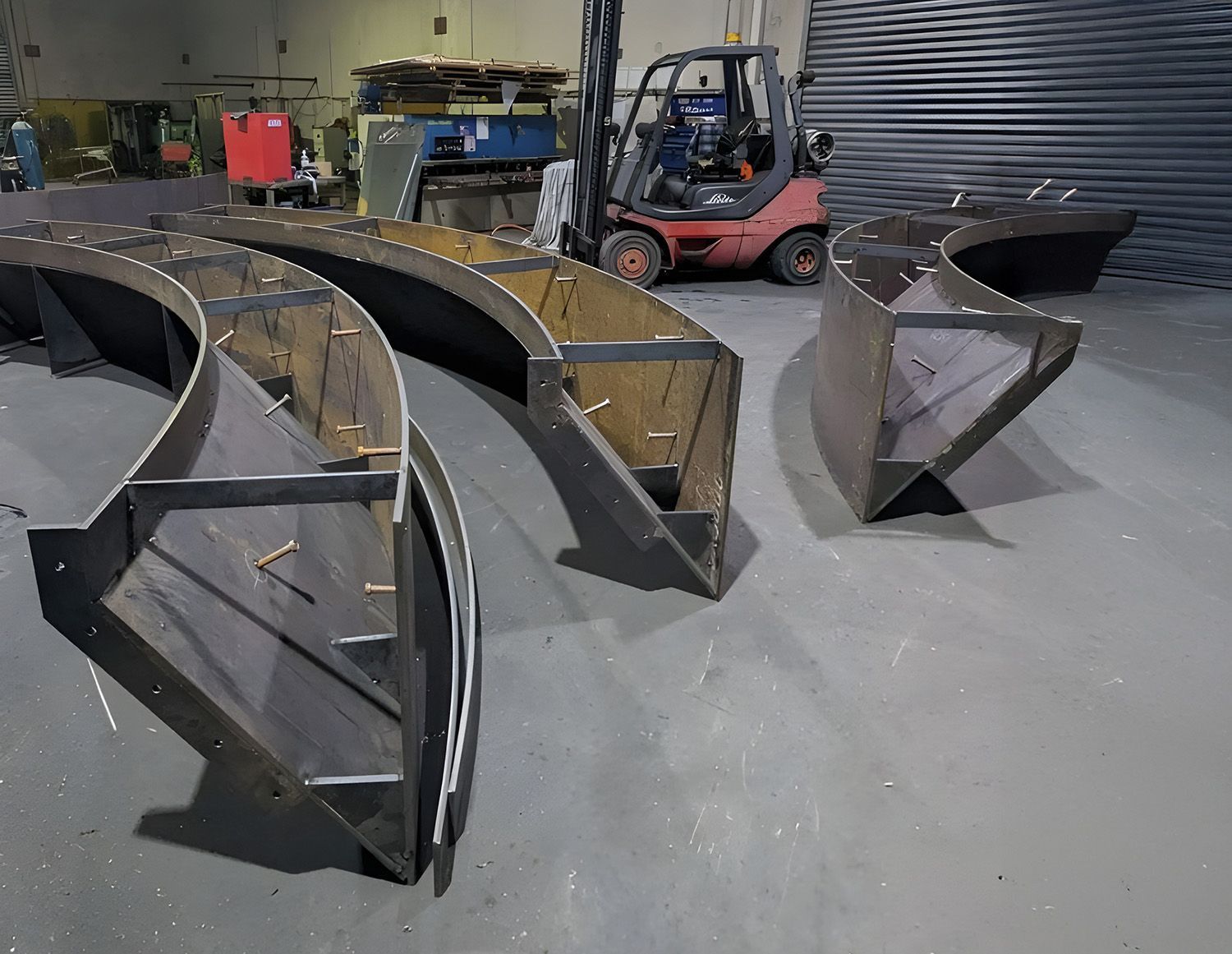
Metal Fabrication Shop, With Steel Boat Parts On The Floor
By Turnweld Engineering February 23, 2026
Discover how mobile welding on the Sunshine Coast keeps boats, trailers and marine structures repaired on site without costly transport.