Marine Welding Solutions: Repairing Boats And Trailers On-Site

Turnweld Engineering • February 23, 2026

Marine gear takes a beating on the Sunshine Coast. Between salt air, sun exposure, launching ramps and regular towing, it doesn’t take long for small issues to appear. A cracked weld on a trailer, a damaged bracket on a boat or a bent dock fitting can quickly turn into a bigger problem if it’s left unchecked.


The challenge is that marine equipment is often large, awkward and difficult to transport. Towing a trailer to a workshop or moving a boat just to fix one damaged component can waste time, increase cost and create unnecessary downtime.


That’s where mobile welding on the Sunshine Coast come in. On-site welding makes it possible to repair marine equipment where it sits, whether that’s at your home, marina, yard or workshop. It’s a practical solution for boat owners and marine businesses that want repairs handled quickly and correctly without moving heavy equipment.

Why Marine Repairs Are Different From Standard Welding Jobs

Marine welding is not just welding in a coastal area. The environment changes everything. Salt exposure accelerates corrosion, while vibration and movement put constant stress on joints and fittings.


A repair that might hold up fine on a farm gate can fail quickly on a boat trailer or dock structure. That’s why marine welding needs the right materials, correct preparation and a finish that’s suitable for wet and salty conditions.


For Sunshine Coast owners, choosing a welder who understands marine demands is essential.

Common Boat Trailer Problems Mobile Welders Fix

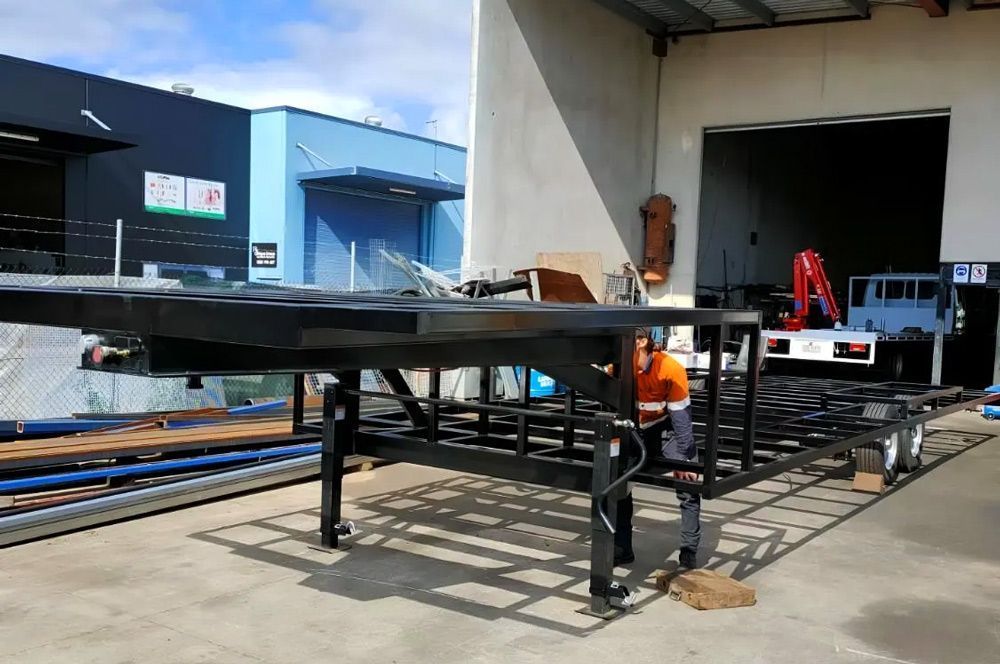
Boat trailers are one of the most common sources of welding repairs. They’re exposed to salt water, dragged up ramps and constantly flexed while towing.


Mobile welders can assist with issues such as:


  • Cracked or broken trailer welds
  • Rusted cross members and brackets
  • Damaged winch posts and supports
  • Bent or weakened drawbars
  • Guard and mudflap bracket repairs


These repairs can often be completed on-site, reducing the risk of further damage caused by towing a compromised trailer.

Boat Hull and Frame Repairs (Where Appropriate)

Depending on the boat type and the damage, mobile welding can be used to repair certain structural components, frames or metal sections. This may include aluminium components, brackets, rails and supports.


On-site work is especially useful when the boat is already on a trailer or positioned at a yard. Instead of organising transport, lifting or relocation, repairs can be assessed and completed with the equipment in place.


The key is correct inspection and preparation, because marine repairs must be built to withstand ongoing stress.

Dock Structures, Jetties and Marine Hardware

It’s not just boats and trailers that require welding. Many marine properties and businesses rely on metal structures that sit close to the water.


Mobile welding can be ideal for:


  • Dock brackets and supports
  • Jetty fittings
  • Ladder mounts
  • Handrails and safety rails
  • Metal frames for pontoons and platforms


On-site welding reduces downtime for marinas and waterfront businesses, especially when the structure is not easily removable.

Why On-Site Welding Saves Time and Money

Transport is often the most frustrating part of marine repairs. Moving a boat or trailer to a workshop can mean towing something unsafe, organising a separate trailer or booking additional equipment.


On-site welding helps avoid:


  • Transport costs and towing risk
  • Time spent dropping off and collecting equipment
  • Delays caused by workshop scheduling
  • Downtime for commercial operators


For anyone searching for 'welding near me' with a marine focus, mobile services are often the most efficient option.

Coastal Conditions on the Sunshine Coast: What Welders Must Account For

Sunshine Coast marine equipment is constantly exposed to corrosion triggers. Salt residue settles into joins and crevices, while moisture sits against metal surfaces for long periods.


A good marine welding approach includes:


  • Proper cleaning and preparation before welding
  • Suitable material selection for the application
  • Consideration of corrosion prevention after repair


Without these steps, repairs may not last, especially in high-exposure coastal areas.

What a Mobile Welder Needs Before Starting a Marine Repair

Marine welding jobs often involve safety and load-bearing requirements. Before welding begins, the welder needs to understand how the part is used and what forces it handles.


Useful information includes:


  • Where the equipment is located and access conditions
  • The type of metal involved (steel or aluminium)
  • Whether the part is load-bearing or structural
  • Any visible corrosion or previous repairs


This helps the welder plan the repair properly and avoid short-term fixes.

Safety and Structural Integrity Matters

Marine repairs are not just cosmetic. Trailer welds and dock fittings can affect safety, stability and reliability.


A poor repair can lead to:


  • Trailer failure while towing
  • Equipment damage at the boat ramp
  • Unsafe dock access for staff and customers
  • Ongoing cracking due to vibration


Professional welding ensures repairs are done correctly and suited to real-world use.

Supporting Marine Businesses and Repair Yards

Mobile welding is also valuable for marine businesses and repair yards. Many operations have multiple boats, trailers or structures that need ongoing maintenance.


On-site welding support can assist with:


  • Quick repairs between bookings
  • Preventative maintenance on fleet equipment
  • Reducing downtime for commercial vessels
  • Strengthening or modifying fittings as required


For busy operators, reliable welding on the Sunshine Coast can be a major operational advantage.

When to Arrange Welding Before It Becomes an Emergency

Marine equipment often shows early warning signs before failure. Small cracks, rust spots or loose brackets are easier to repair early than after a full break.


It’s worth organising a welding inspection if you notice:


  • Hairline cracks near joints
  • Rust spreading around welded sections
  • Movement or flexing where there shouldn’t be
  • Trailer components that look uneven or weakened


Early repairs help prevent bigger failures and more expensive fixes later.

Why Local Mobile Welding Makes Sense

Local welders understand the Sunshine Coast marine lifestyle. They know the conditions, the common failure points and the demands placed on trailers and dock structures.


Working with a local provider also means faster scheduling, better availability and repairs suited to the environment your equipment lives in.

Mobile Welding Sunshine Coast Boat Owners Can Rely On

Marine repairs should not require unnecessary towing, lifting or transport. For boat owners, marine businesses and repair yards, on-site welding is one of the most practical ways to keep equipment safe, functional and ready for use.


Turnweld Engineering provides professional mobile welding on the Sunshine Coast for boat trailers, marine hardware and waterfront structures. Their experienced team delivers reliable welding solutions on-site, helping reduce downtime and avoid the hassle of moving heavy equipment for repairs.


If you’re searching for 'welding near me' for marine repairs, contact Turnweld Engineering to discuss your job and organise on-site welding support that suits Sunshine Coast conditions.

An Experienced Welder At Work
By Turnweld Engineering February 11, 2026
Compare mobile vs in-house welding to pick the right solution for your project. See when mobile welding in Sunshine Coast fits best. Read more.
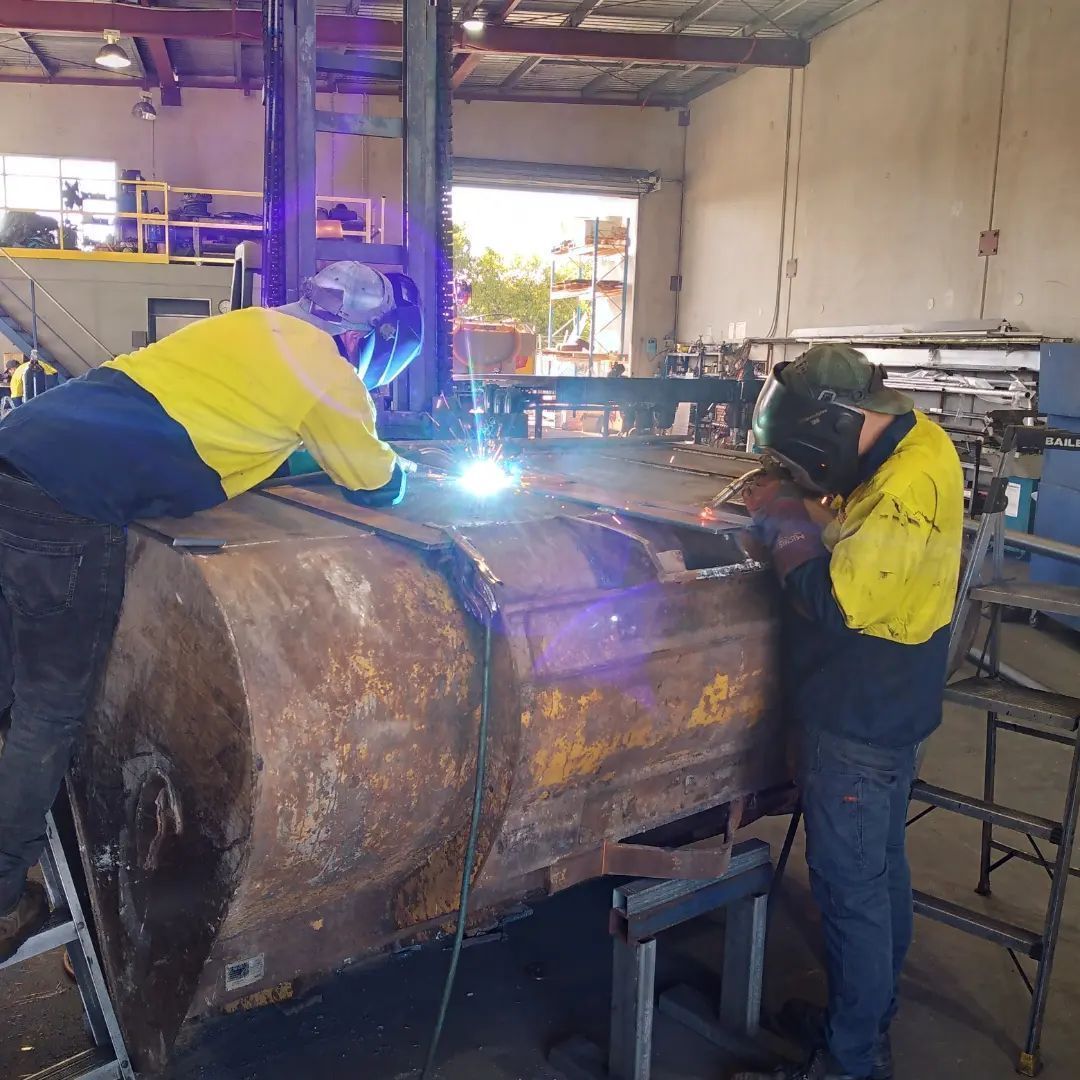
Two welders in yellow shirts working on a large metal structure in a workshop.
By Turnweld Engineering September 22, 2025
Learn how Mobile Welding Sunshine Coast supports projects with precision and reliability. Discover its benefits and call for expert service today.