Mobile Vs In-house Welding: Which Option Fits Your Job Best?

Turnweld Engineering • February 11, 2026

When metal fails, everything around it feels the impact. A cracked gate throws off site security. A broken bracket brings production to a halt. A fatigued beam raises concerns you can’t ignore. For many locals, the big question isn’t just who can weld but also where the work should happen.


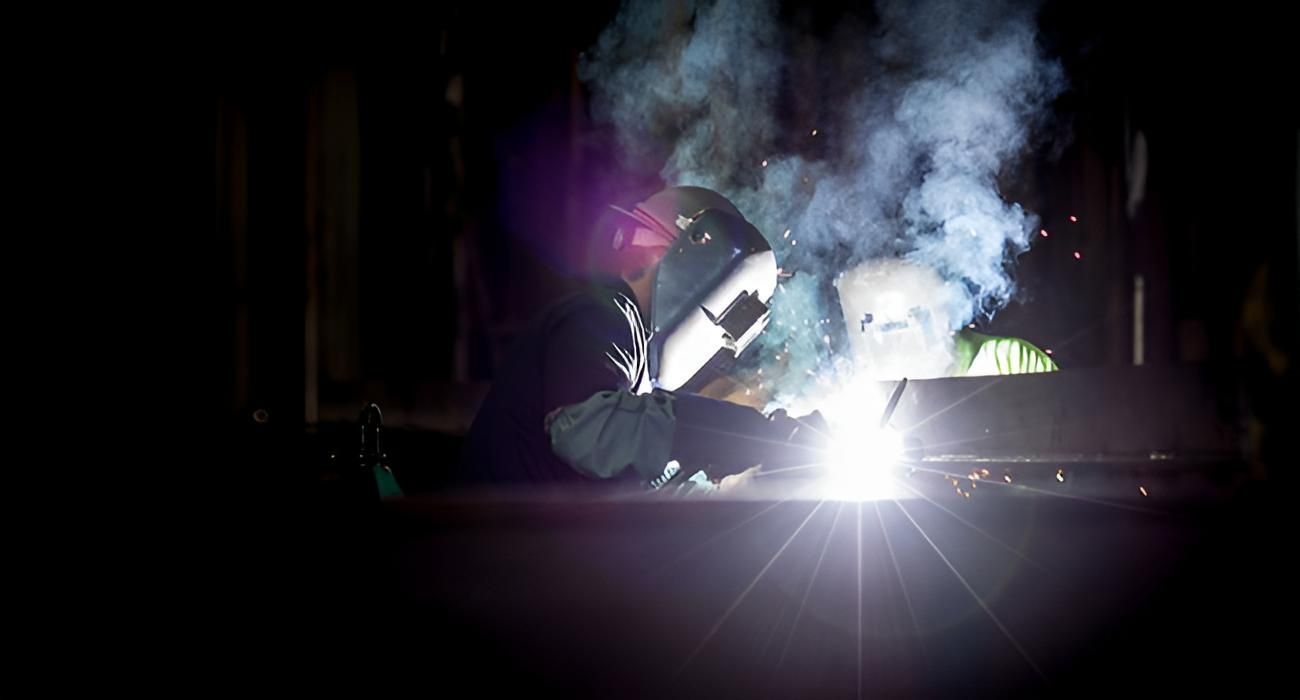
In recent years, mobile welding on the Sunshine Coast has shifted how homeowners and businesses approach repairs and fabrication, especially when time, access and practicality matter. Understanding the difference between mobile and in-house welding helps you choose the approach that keeps projects moving without unnecessary delays or costs.

Two Welding Paths, Very Different Outcomes

At a glance, mobile and in-house welding might sound like variations of the same trade. In practice, they solve problems in very different ways.


Workshop welding involves removing the item, transporting it to a fixed facility and completing the work off-site. Mobile welding brings the tools, materials and expertise directly to the job.


That single difference affects everything that follows, from turnaround times to total spend.


Workshop welding suits those fabrication jobs built from scratch or components that already sit loose and ready for transport. Mobile welding shines when the work can’t simply be lifted onto a trailer, or when downtime costs more than the repair itself.

The Real Cost of Moving Metal

Many people compare welding options by looking only at the invoice line. That approach misses the hidden costs that creep in before a welder even strikes an arc.


Transport alone can quickly change the equation. Loading heavy steel sections, fencing panels or machinery frames takes time and often extra labour. Vehicles, fuel and scheduling add up fast. For larger equipment, removal can involve partial dismantling, which introduces fresh risks and more labour hours.


Mobile welding avoids this chain reaction. The work happens where the asset already sits. Gates stay on hinges. Structural steel remains in place. Machinery avoids unnecessary disassembly.


For homeowners, that means fewer trades crossing paths on-site. For businesses, it keeps operations steady instead of fractured by logistics.

Downtime Isn’t Just Inconvenient, It’s Expensive

Downtime rarely shows up as a neat line item, yet it often carries the biggest impact.


A workshop repair might sound efficient until you factor in waiting periods. Drop-off queues, transport schedules and workshop backlogs can stretch a small repair into days.


On-site welding changes that rhythm. A mobile welder assesses the issue in real time, prepares the area and completes the fix without waiting for transport windows. For equipment repairs, that difference can mean returning to work the same day rather than reorganising an entire schedule. In commercial settings, this matters even more because:


  • Production lines avoid extended stoppages
  • Safety hazards receive immediate attention
  • Temporary workarounds become unnecessary


Time saved on-site often outweighs any perceived savings from off-site pricing.

When Mobile Welding Simply Makes Sense

Not every job suits a workshop. Many common welding tasks work better where they stand.


Structural repairs provide a clear example. Posts, beams and brackets integrated into buildings or outdoor structures don’t move easily. Cutting them free creates extra work and compromises stability. Mobile welding allows reinforcement and repair without altering the surrounding structure.


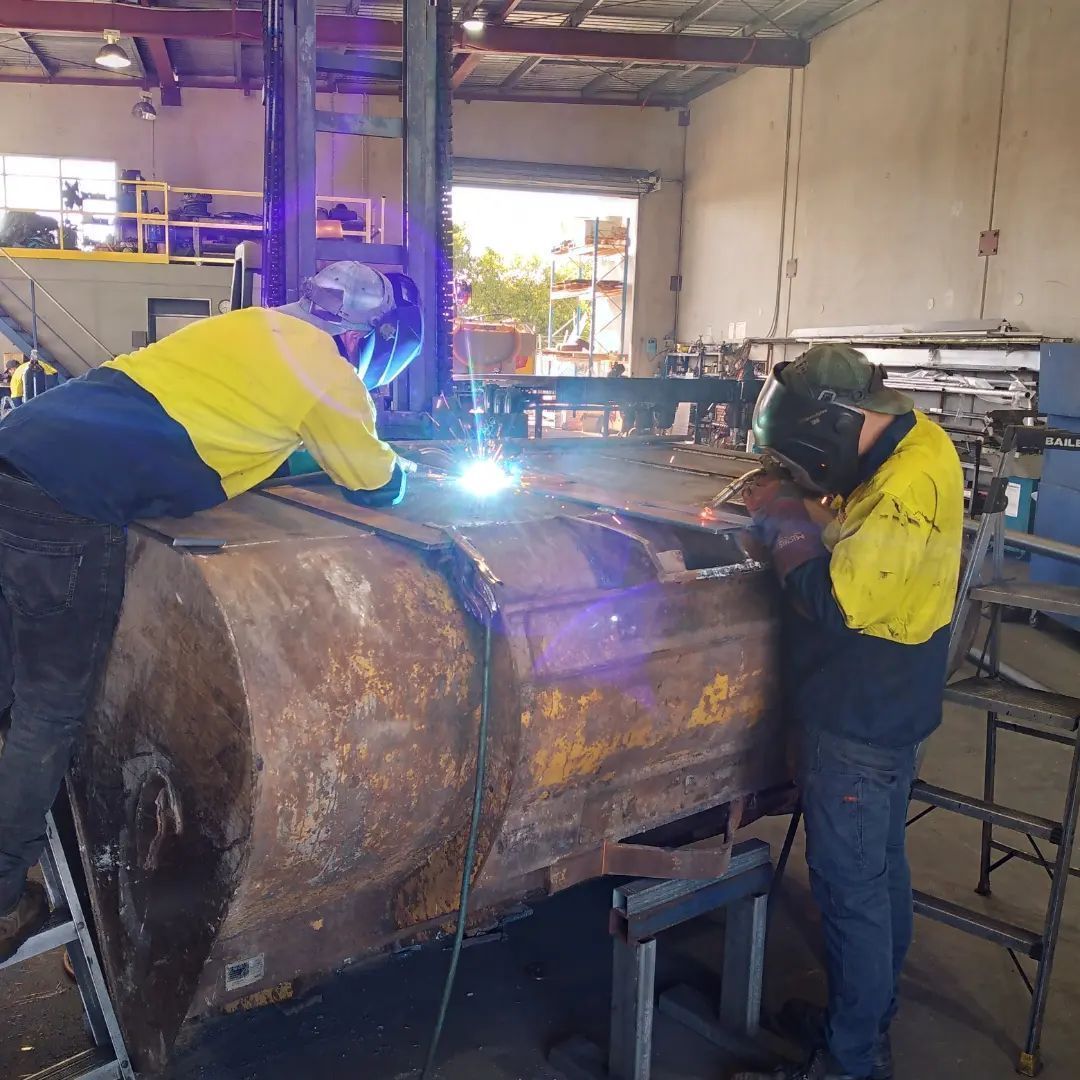
The same applies to equipment fixes. Trailers, agricultural machinery, balustrades and plant frames often fail at stress points. A mobile welder can reinforce weak areas and adjust alignment on-site, taking real-world loads into account rather than guessing in a workshop bay.


Midway through many projects, clients realise that mobile welding on the Sunshine Coast suits not only emergencies but also planned maintenance that benefits from immediate context.

Workshop Welding Still Has a Place

A balanced comparison matters. Workshop welding excels in controlled fabrication environments.


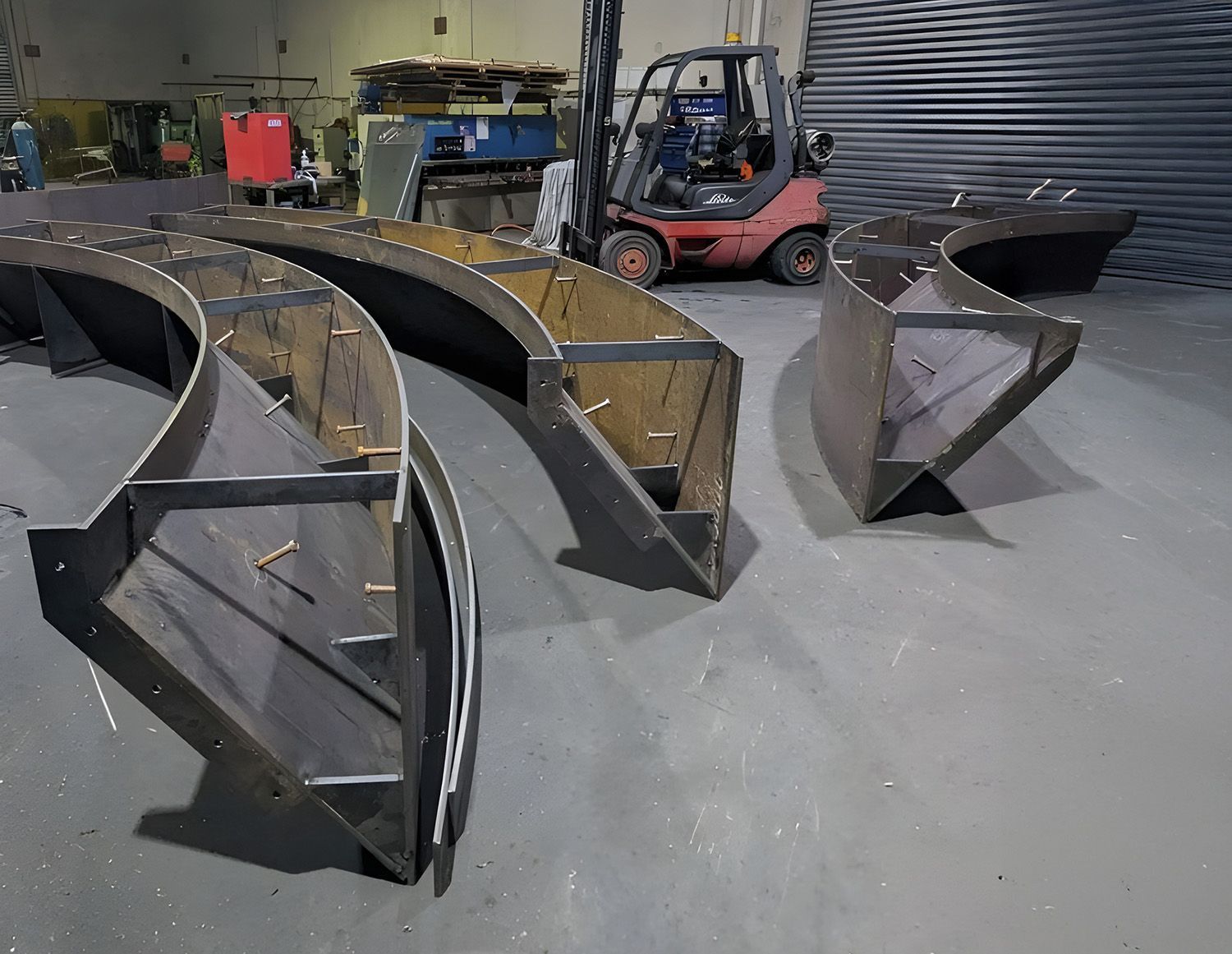
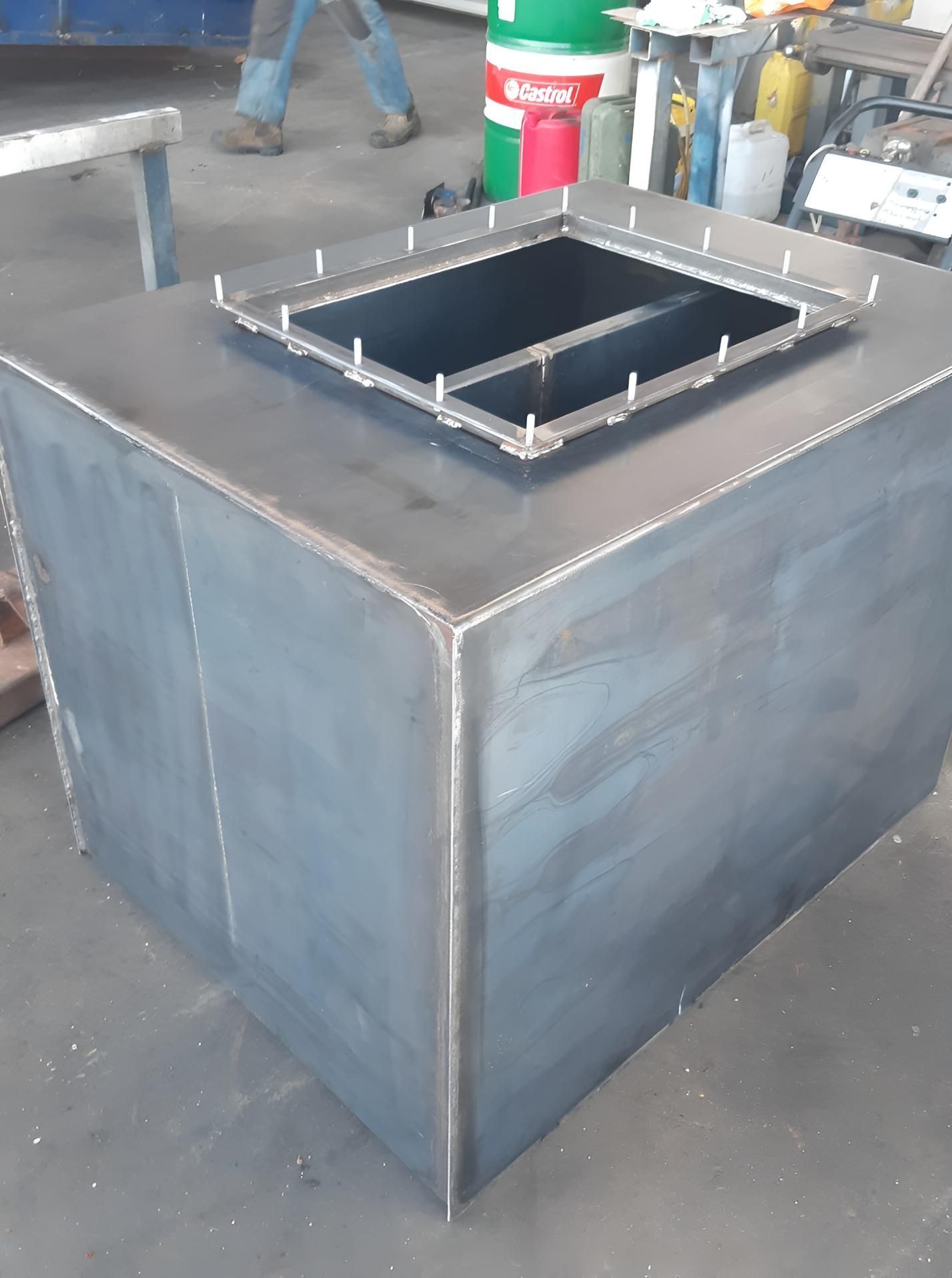
Precision builds, repeat production and complex assemblies benefit from jigs, benches and specialised tooling. When components already sit detached, shop work keeps everything running smoothly.


The key lies in matching the job to the method. Problems arise when a job suited to on-site repair gets forced into a workshop flow. That mismatch leads to delays, added costs and frustration.


Understanding this distinction empowers you to ask better questions before committing to a repair path.

Access, Space & Real-World Conditions

On-site welding introduces variables that workshops never face. Tight access, uneven ground and weather conditions demand experience and preparation.


A seasoned mobile welder plans for these factors. They bring portable power, shielding and safety controls that adapt to residential driveways, commercial yards and rural properties. Instead of waiting for ideal conditions, they work safely and efficiently within the environment.


This adaptability proves especially valuable across coastal and hinterland areas where sites vary dramatically. From beachfront homes to industrial sheds, on-site welding meets the job where it lives.

Speed Without Shortcuts

Fast response doesn’t mean rushed work. Experienced mobile welders balance speed with sound technique.


On-site assessment allows immediate decisions. There’s no need to rely on photos or second-hand descriptions. The welder sees stress points, load paths and surrounding materials first-hand. That insight leads to smarter reinforcement and longer-lasting repairs.


In contrast, workshop repairs sometimes miss contextual details. A bracket repaired off-site might fit perfectly on the bench yet struggle once reinstalled. On-site welding avoids that disconnect.

Choosing the Right Welder Matters More Than the Location

The method works only as well as the person behind it. Mobile welding demands versatility, judgement and problem-solving skills developed over years.


An experienced welder anticipates challenges before they slow the job. They communicate clearly, manage safety on-site and adapt techniques to suit the setting. These traits matter more than flashy equipment or buzzwords.


When comparing options, focus on capability and experience rather than assuming one method always wins.

Making the Call with Confidence

Deciding between mobile and workshop welding doesn’t require technical knowledge. It requires clarity about the job. Some questions to ask yourself first include:


  • Can the item move easily without extra labour?
  • Does downtime affect safety or productivity?
  • Would on-site context improve the repair outcome?


If the answer leans toward access challenges or time sensitivity, mobile welding likely offers the smoother path.


Metalwork keeps homes secure and businesses running. Choosing the right welding approach protects both time and investment. For many repairs, structural fixes and equipment issues, on-site work reduces disruption and keeps projects moving forward without unnecessary steps.


That’s where Turnweld Engineering steps in. Serving the Sunshine Coast, we bring experienced mobile welders directly to your site, handling urgent repairs and planned works with flexibility and practical know-how. If you’re weighing your options and want work completed without dragging projects out, talk with us about mobile welding on the Sunshine Coast and see how on-site expertise can keep your plans on track.

Two welders in yellow shirts working on a large metal structure in a workshop.
By Turnweld Engineering September 22, 2025
Learn how Mobile Welding Sunshine Coast supports projects with precision and reliability. Discover its benefits and call for expert service today.
A Worker in a Yellow Safety Jacket Operates a Grinder on a Large Metal Structure in an Industrial Wo
By Turnweld Engineering August 19, 2025
Prioritise quality metal fabrication in sunshine coast to ensure structural strength precision and corrosion resistance. Enquire today.